Sunday, April 20, 2014

Birds found in Kenya

    There are six hundred forty nine different species of birds that have been spotted in Kenya this year. Most of them are spotted in Eastern, Central, Nairobi, and Rift Valley where the Maasai people are found. The Maasai people don't have any significant relationship with birds because they mainly rely on their cattle, but hear are some birds that are found in the area.


http://www.google.com/imgres?imgurl=http%3A%2F%2Fwww.bird-friends.com%2Fpics%2FBlackBelliedPlover%2FBlackBelliedPlover0LR.jpg&imgrefurl=http%3A%2F%2Fwww.bird-friends.com%2FBirdPage.php%3Fname%3DBlack-Bellied%2BPlover&h=400&w=600&tbnid=ONrq0Hf8foHadM%3A&zoom=1&docid=FQtzKk9lBIMsxM&ei=TdJnU7DrMOr7yAGV6oCoCg&tbm=isch&ved=0CG0QMygEMAQ&iact=rc&uact=3&dur=582&page=1&start=0&ndsp=18

    This is a picture of the black-bellied plover and it was spotted the most. This bird is small, medium sized and have long wings. Plovers are also found worldwide. There are sixty-six species total and twenty one of them live in Kenya.


https://www.google.com/url?sa=i&rct=j&q=&esrc=s&source=images&cd=&cad=rja&uact=8&docid=RQx8ALYpZqrojM&tbnid=qrDm92zBFsA3RM:&ved=0CAUQjRw&url=http%3A%2F%2Fwww.birdforum.net%2Fopus%2FAbdim%27s_Stork&ei=-NJnU62KHOzLsQTx6IHwBg&psig=AFQjCNEqk0S6vGFkULN01Kf7DIkPgZhPaw&ust=1399399445764658

    This bird is named abdim's stork and was the second most spotted. It is black with grey legs and has red knees and feet. This bird is protected by African beliefs because it has good luck and is said to bring rain. The Maasai people do have a lot of dry spells.


http://www.google.com/imgres?imgurl=http%3A%2F%2Fupload.wikimedia.org%2Fwikipedia%2Fcommons%2F7%2F78%2FFulica_cristata_-Cape_Town%2C_South_Africa_-adult-8.jpg&imgrefurl=http%3A%2F%2Fen.wikipedia.org%2Fwiki%2FRed-knobbed_Coot&h=1623&w=2707&tbnid=eDGMGE5ftk8NOM%3A&zoom=1&docid=-IbVp0UyUkM7UM&ei=MdNnU8_LD8bhyQGC8oHwAw&tbm=isch&ved=0CFQQMygAMAA&iact=rc&uact=3&dur=262&page=1&start=0&ndsp=24     This is the third most spotted bird. It is called the red-knobbed coot. It is named this because on the top of ones face, there are two red knobbes that will only show during breeding season.This bird is found in many places in Africa. This fish can swim and lives around fresh water.

Maasai Cosmos

    The Maasai people believe in a god named Enkai. Enkai used to be a human that gave all the cattle to the Maasai people once the earth and sky split. The Maasai people received the cattle by a rope. Other people became jealous since they did not receive any cattle so they cut the rope. Cutting the rope created a gap between heaven and hell, therefor stopping the flow of cattle. The maasai people believe all the cattle in the world belong to them.
     Enkai is also believed to be the creator of everything else as well. He was neither male or female, but was one with the earth. His name meant the sky.
    Cattle are very important to the Maasai people. Cattle were symbolic. They believe that when Enkai sent the cattle, the cattle possessed qualities of Enkai. Only the men are allowed to take care of the cattle, and are supposed to risk their lives protecting them.
    When people are born into the Maasai culture, they believe that each one of them gets sent a guardian spirit. There is a ceremony done to make the spirit stay, so it can protect the person from danger until death.

World of the Maasai

    The traditional Maasai people just need food and shelter. They get their food through live stock and the women build shelter with mud and other materials. Since traditional Maasai are nomadic, their shelters do not need to be very sturdy since they keep moving. They are proud of their simple life.
    The less traditional Maasai people will trade or sell whatever graze and live stock that they have extra of. This was forced on them since a lot of their land was taken away. Now they sell and trade with neighboring countries and tribes.
    The Maasai women will make beads and crafts to sell for their families. Their clothes are made out of animal skin that was decorated until the 1960s. Now it is replaced with commercial cotton. Their shoes are now made of tire strips or plastic. Their sandals used to be made out of cowhides.
     Now the Maasai are forced to settle and are less nomadic. Some people are able to take jobs in other towns, but they are hard to find. Some Maasai people are now homeless and are dying because they have no food or water. The population keeps getting smaller with the loss of land.

Homeland and Landscape

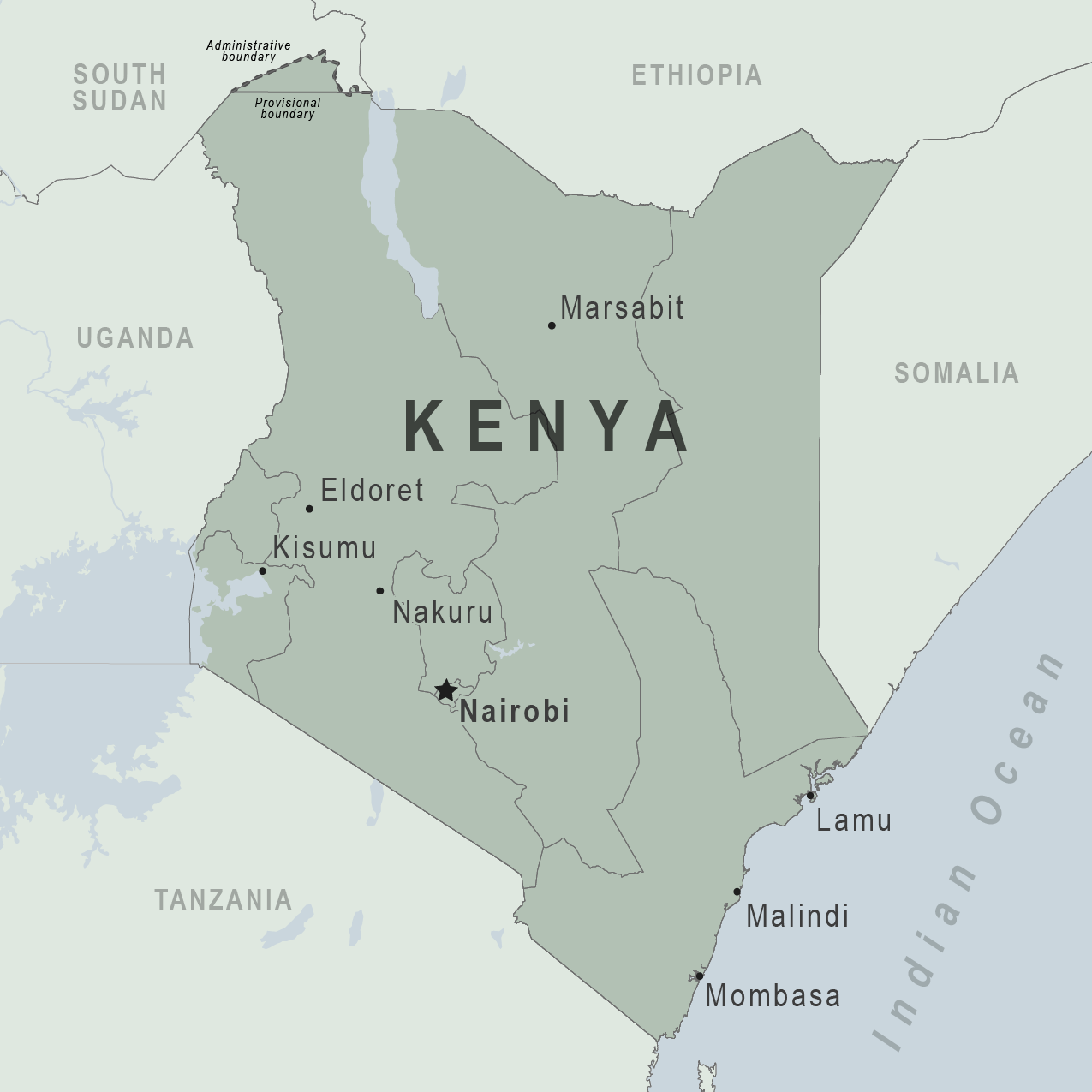
    The Maasai people live in Southern Kenya and Northern Tanzania. They used to cover a lot more land until the Europeans came and started colonizing. Much of their land was taken away during the nineteenth century. The Europeans brought diseases to the Maasai people to make them weaker, so it would be easier to take their land.
     During the twentieth century more land was taken away for parks and nature reserves. This made it difficult for Maasai people, because now a lot of their resource were taken away. They do not have enough land to rely on grazing, and are now loosing their traditions. They had to resort to trading with other people surrounding them for other resources.
    After all of the land being taken away, they still live around part of the Great Rift Valley. It is a rift that contains several lakes along it. The Great Rift Valley divides there landscape. On the western side there are forests, and grasslands and salt lakes on the eastern side.
    These people go through many dry spells. Since most of the Great Rift Valley was taken away, it is harder for the men to find water for the cattle and other animals herded. The average rain fall is between twenty-two to thirty inches every year.

http://wwwnc.cdc.gov/travel/images/map-kenya.jpg

History of the Maasai Culture

     Located in Kenya and northern Tanzania, is where the Maasai people can be found. The Maasai culture us one of the oldest cultures in Africa.  They originated in northwest Kenya and migrated south to southern Kenya and northern Tanzania. The population grew and covered almost all of the Great Rift Valley. These people lived nomadic lives meaning they moved from place to place, but they still stayed around the same area.
  http://www.google.com/imgres?imgurl=http://theurbalist.com/wp-content/uploads/2011/12/maasai-warrior1.jpeg&imgrefurl=http://theurbalist.com/2011/12/better-than-deet-dancing-and-maasai-warrior-medicine/&h=370&w=500&tbnid=OMxKYd6f1e943M:&zoom=1&docid=ZW8pZyK32Qq2tM&ei=_dRnU_HFKPDeyAGgi4CQDw&tbm=isch 

    The men that are part of this culture are known as the Maasai warriors. In order to become a warrior the men must get initiated at the age of fourteen. One gets initiated by having a circumcision in front of the whole community. Once one is  fully healed, they are officially a warrior.  These men are in charge of raising and protecting the cattle, and that is there main job.

http://www.google.com/imgres?imgurl=http%3A%2F%2Fupload.wikimedia.org%2Fwikipedia%2Fen%2F8%2F8c%2FMaasai_Woman_Meeyu_Sale_Wearing_her_Finest.jpg&imgrefurl=http%3A%2F%2Fen.wikipedia.org%2Fwiki%2FMaasai_people&h=756&w=600&tbnid=qYpdTNkkiU6lrM%3A&zoom=1&docid=MyhfRz927mC8eM&ei=LNVnU_21Mu2MyAHq0IHwCQ&tbm=isch&ved=0CGsQMygCMAI&iact=rc&uact=3&dur=273&page=1&start=0&ndsp=22
    The women are in charge of building and taking care of their homes, taking care of everything belonging to their husband, and taking care of children. They do not have an initiation like the men do but they still are supposed to have circumcision. They must do it so they can get married. The marriages are arranged and a women is not allowed to divorce unless there are severe conditions like abuse. If a women becomes divorced, she is not allowed to marry again.
    People in the Maasai culture are almost destined to live in poverty.  There houses are made out of mud and other materials like cow dung. Just recently, people were able to enroll in school but not many. It is hard for these people to get out of poverty.